 ProductPolish
AI Product Images: What Amazon, Shopify and Etsy Actually Allow
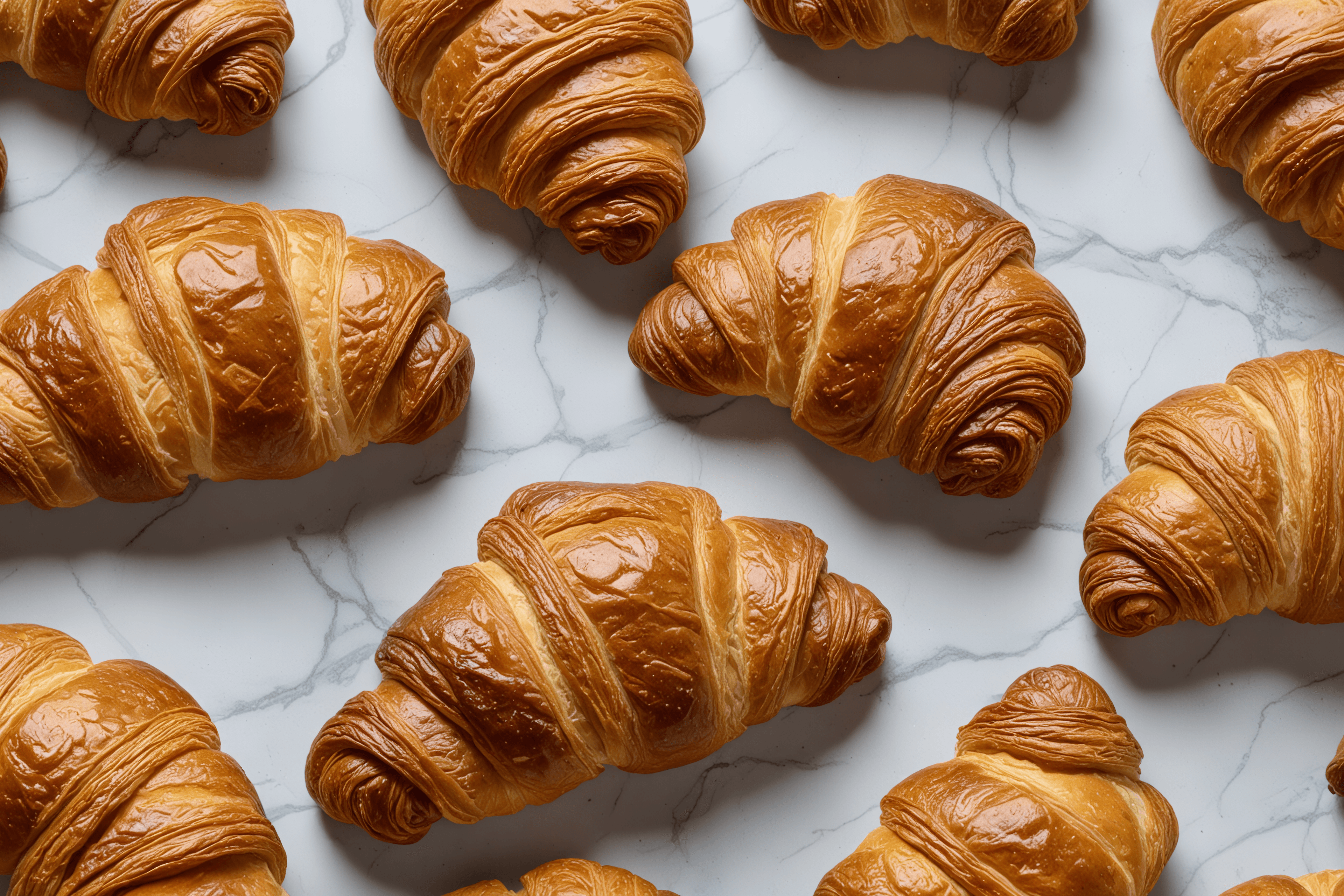 AI-generated image
Anyone generating AI images for their shop for the first time quickly runs into contradictory claims in forums: "Amazon bans accounts for AI photos", "Etsy forbids anything that isn't real", "Shopify allows everything". The reality is more nuanced — and platform-specific.
The short answer: AI-generated product images are permitted on all three platforms under certain conditions. What is not permitted differs significantly. And the rules are changing, driven by the EU AI Act and the emerging C2PA standard.
This article walks through the official rules for each platform — separated by image type, because the distinction between main image and secondary image, between product photo and lifestyle composition, between AI-generated and AI-edited is decisive.
Amazon: The Main Image Rule Is Non-Negotiable
Amazon has the clearest and simultaneously most misunderstood rules.
What is definitively not allowed: A fully AI-generated main image — that is, an image created without a real product photo. Amazon's official image guidelines require that the main image shows the actual product, on a pure white background (RGB 255, 255, 255), at least 1,000 × 1,000 pixels (recommended: 2,000 × 2,000). A main image that shows a product that doesn't exist as depicted, or where the product itself is AI-generated, violates the Seller Central guidelines.
What is explicitly allowed:
- AI-powered background removal and replacement: A real product photo with its background removed by AI and replaced with a white background — this is not only allowed, it corresponds to exactly what Amazon requires. Numerous seller tools and apps do precisely this automatically.
- AI-generated lifestyle images as secondary images: If the product is placed in an AI-generated living room on a table, that is allowed for secondary images — provided the image accurately represents the product and doesn't show features the real product doesn't have.
- AI image editing: Exposure correction, colour balancing, background removal, sharpening via AI tools — this is editing, not an "AI image" in the policy sense.
What the rules say — and what remains open: According to Seller Central, content that has been "created or substantially modified" by generative AI must be labelled accordingly. How this labelling is technically implemented and from when Amazon actively controls this is not yet fully documented as of May 2026. What is clear: the policy exists, and listings can be suppressed or accounts suspended for violations.
The Main Image vs. Secondary Image Table
| Image Type | AI-generated allowed? | Restrictions |
|---|---|---|
| Image Type | AI-generated allowed? | Restrictions |
| --- | --- | --- |
| Main image (AI-generated from scratch) | No | Must show real product on white bg, min. 1,000 px |
| Background removal via AI | Yes | Product must not be altered |
| Secondary image (AI lifestyle scene) | Yes | Product must be correctly represented |
| Secondary image (AI infographic) | Yes | No false product claims |
| Customer image (AI-generated) | No | Deceptive review imagery prohibited |
Shopify: The Platform Is Silent — Other Rules Apply
Shopify itself has no explicit policy that prohibits AI-generated product images or mandates disclosure. On the contrary: with Shopify Magic, the platform provides its own AI image editing and generation tools and approves numerous third-party apps in its App Store for AI product photography.
That doesn't mean Shopify merchants operate without constraints.
Google Merchant Center — relevant for all who use Google Shopping: Google has required that AI-generated images in ads be tagged with specific IPTC metadata (DigitalSourceType: compositeSynthetic or algorithmicMedia). Anyone selling via Google Shopping and using AI-generated product images must set these metadata tags — regardless of the fact that Shopify itself places no such requirement.
EU law and German UWG: For merchants selling into the EU market, EU AI Act Article 50 applies from 2 August 2026 (covered in detail in our main article on this topic). The UWG already applies today: misleading representations are prohibited — an AI-generated lifestyle image that shows a product larger, in a different colour, or with features it doesn't have is legally problematic regardless of any AI-specific rules.
Trust as a practical pressure: Shopify cites consumer research indicating that a significant share of buyers expect to be informed about AI use in product images. No legal obligation derives from this for Shopify merchants until August 2026 — but merchants who embrace transparency differentiate themselves in a market where AI images are increasingly recognisable.
Etsy: The Decisive Distinction Lies in the Product
Etsy explicitly resolved what had been its most ambiguous area in 2024 — and introduced a distinction that surprises many merchants.
What requires labelling: AI-generated digital products — art prints, design templates, clipart created entirely by AI and sold as a product. For these items, Etsy introduced four seller classifications in July 2024: "Made by", "Designed by", "Sourced" and "Handpicked". An art print generated by Midjourney or DALL-E must be listed as "Designed by", and the product description must name the AI involvement.
What requires no labelling: Using AI tools for the product photography of handmade items. Anyone who hand-throws a ceramic bowl and uses a KI background for the listing, or has the image AI-retouched, does not need to label this — the bowl remains a handmade product; the AI only touches the image presentation.
This is a central misunderstanding in many discussions: Etsy regulates what the product is, not how it was photographed.
Enforcement 2024–2025: Etsy significantly tightened enforcement of its Handmade Policy. According to a statement by CEO Josh Silverman in the Q1 2024 earnings call, Etsy removed four times as many policy violations in the handmade area year-over-year. Shops offering generic AI-generated listings without a recognisable handmade product behind them have reported automatic suspensions.
No problem: Handcrafted leather bag photographed in front of a white background. The background was AI-retouched and replaced with a lifestyle setting.
Labelling required: Digital print of an AI-generated watercolour sold as a download. Product = AI output.
Not allowed: Arbitrary AI images of products without a real handcrafted object behind them, listed as Handmade.
C2PA and the Emerging Standard for AI Image Labelling
Behind the platform-specific rules, a technical standard is developing that will become the practical solution in coming years: C2PA (Coalition for Content Provenance and Authenticity), the technology behind so-called Content Credentials.
C2PA works like a digital "nutrition label" stored within the image itself: it cryptographically documents which tool created the image, whether AI was involved, and what editing steps took place. Buyers typically see nothing of this — the information is machine-readable.
Who already uses C2PA:
- Amazon is a member of the C2PA Steering Committee. Amazon's own AI image generator, Amazon Titan Image Generator, already delivers outputs with Content Credentials.
- Adobe is one of the main drivers — Adobe Firefly outputs include C2PA metadata.
- Google (latest generation Pixel cameras natively integrate C2PA).
What still doesn't work: Most social media platforms and many e-commerce environments strip metadata on upload. C2PA tags are lost in the process. Until this is solved — either through platform-wide adoption or through watermarking directly in the image's pixel pattern — C2PA remains largely invisible in day-to-day merchant practice.
What Applies from August 2026: EU AI Act Article 50
For merchants selling into the EU, the transparency obligation from Article 50 of the EU AI Act applies from 2 August 2026. We covered the details in the dedicated article. Summary for product images:
The obligation for machine-readable marking lies with the AI provider (the tool that generates the image), not with the merchant who uploads it. A merchant using Amazon Titan, Midjourney, or an AI photography tool relies on the respective provider's compliance.
Whether a visible label for AI-generated product images will be mandatory is not yet conclusively settled as of May 2026. The EU Commission's Code of Practice draft is expected for May–June 2026.
Decision Matrix: Platform × Image Type
| Image Type | Amazon | Shopify | Etsy (Handmade) |
|---|---|---|---|
| Main image, fully AI-generated | No | Yes | No (no real product behind it) |
| Main image, AI background removal | Yes | Yes | Yes |
| Secondary image, AI lifestyle scene | Yes (product correctly shown) | Yes | Yes |
| AI-generated product sold as item | — | — | Yes, with label + "Designed by" required |
| Infographic secondary image, AI | Yes | Yes | Yes |
Anti-Patterns: What Actually Causes Problems
Not showing the product in the main image. The most common problem on Amazon: a fully AI-generated image in which the actual product is not depicted. This violates the main image rule, independent of the AI question.
AI image shows product features that don't exist. An AI lifestyle scene in which a backpack has 5 pockets when the real product has only 3 — that is misleading advertising under the UWG, not just an AI problem.
Handmade labelling without a real handmade product on Etsy. Etsy identifies listings where no physical handmade product is behind them and has significantly tightened enforcement.
Where This Article Has Its Limits
FAQ
Can my Amazon account be suspended for AI images? For AI-edited images that correctly show the real product — unlikely. For fully AI-generated main images without a real product: yes, listing suppression and account action are possible per Seller Central policy.
Do I need to label AI images on Shopify? Shopify itself does not require it. If you use Google Shopping, Google Merchant Center requires metadata tags for AI-generated images in ads. From August 2026, EU AI Act Article 50 applies — the labelling obligation there lies with the AI tool provider, not with you.
Etsy allows AI images — but which ones exactly? AI editing of handcrafted products: yes, without labelling. AI-generated products (digital artworks, prints): yes, but mandatory labelling as "Designed by" and explicit mention in the description.
What is C2PA and do I need to worry about it? C2PA is a metadata standard that documents in machine-readable form whether an image is AI-generated. As a merchant you don't need to implement C2PA yourself — the AI tool you use does that. Amazon, Adobe and Google are already members. For day-to-day merchant practice, C2PA is still largely invisible today because many platforms strip metadata on upload.
Does anything change from August 2026? EU AI Act Article 50 becomes enforceable then. The immediate obligation lies with the AI provider (watermarking / machine-readable marking), not the merchant. Whether and how visible labelling will be concretely required for product images is clarified in the Code of Practice expected for mid-2026. More details in the main EU AI Act article.
Can I use AI images for Amazon main images if the product is visible? If the real product is in the image, on a white background, and AI was used only for post-processing (background removal, lighting) — yes. If the image is completely AI-generated, even if a product similar to the real one is visible — no, that violates Amazon's main image policy.
Related reads

EU AI Act for Online Retailers: What Shop Operators Need to Know in 2026
The AI Act applies from August 2026 — but what does that actually mean for e-commerce listings? What you have to do as a retailer, what your AI tool covers, and where existing law already does the heavy lifting. With deadlines, fines, and a practical checklist.
Amazon Rufus: How the AI Assistant Reshuffles Listings
Rufus is Amazon's AI shopping assistant — and it increasingly decides which products get recommended to a buyer. What Amazon officially confirms, where Rufus pulls its data from, and how to write your listing accordingly without falling for guesses.

Best AI Product Photo Tool 2026: The 6 Criteria That Actually Matter
Which AI product photo tool is best in 2026? Not a ranking — the 6 criteria that matter for e-commerce: product fidelity, platform rules, batch, integration.